
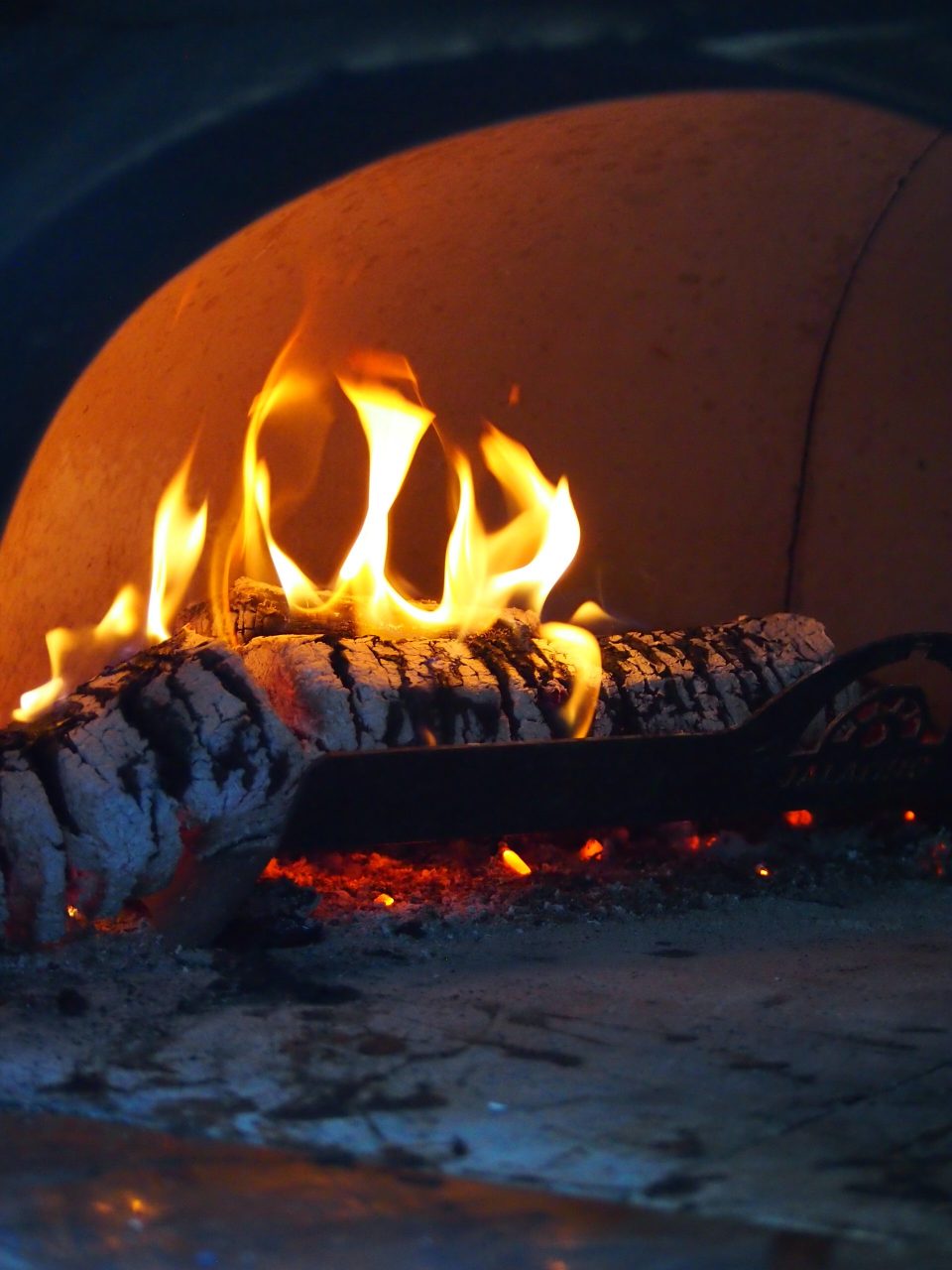
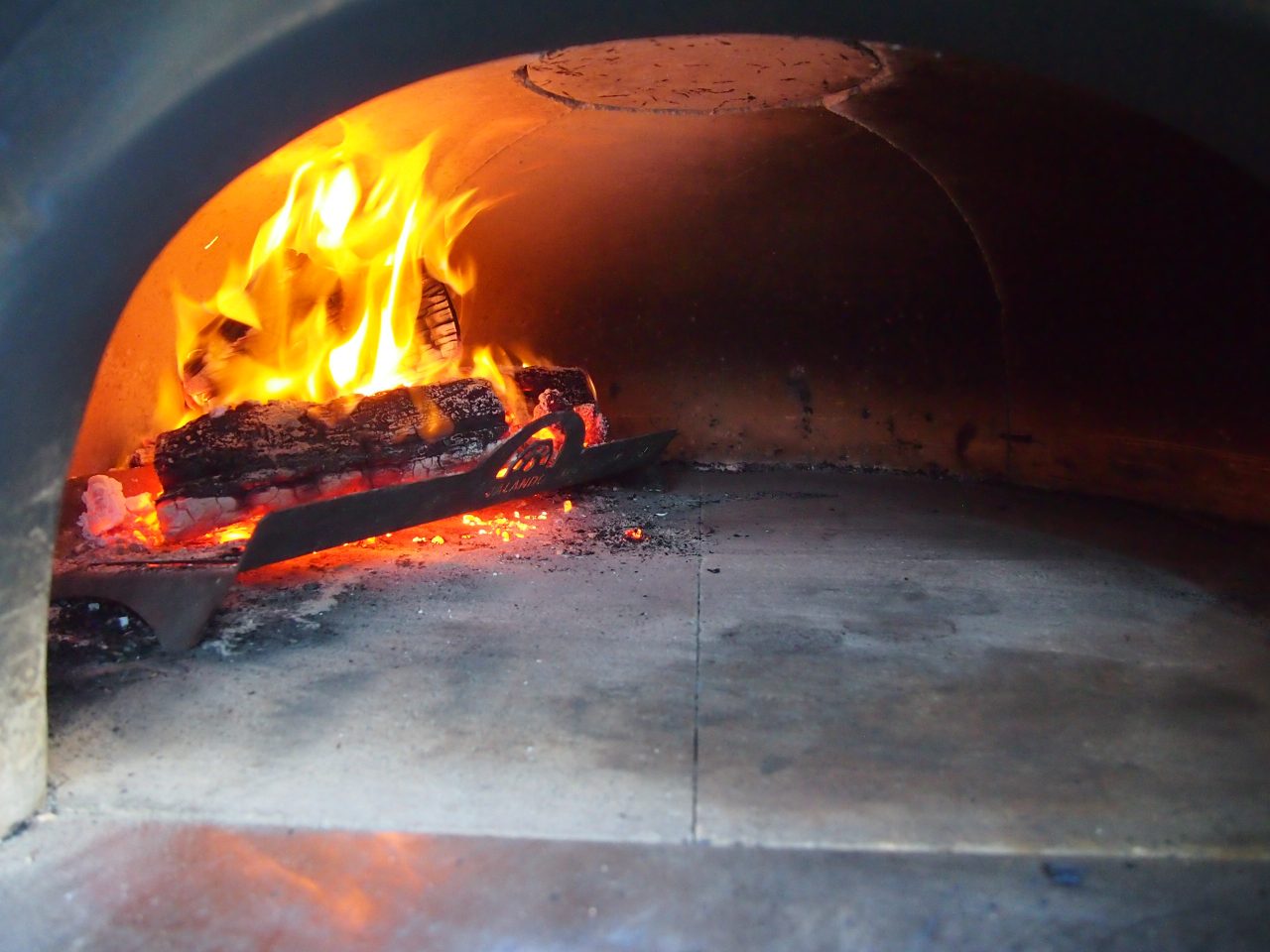
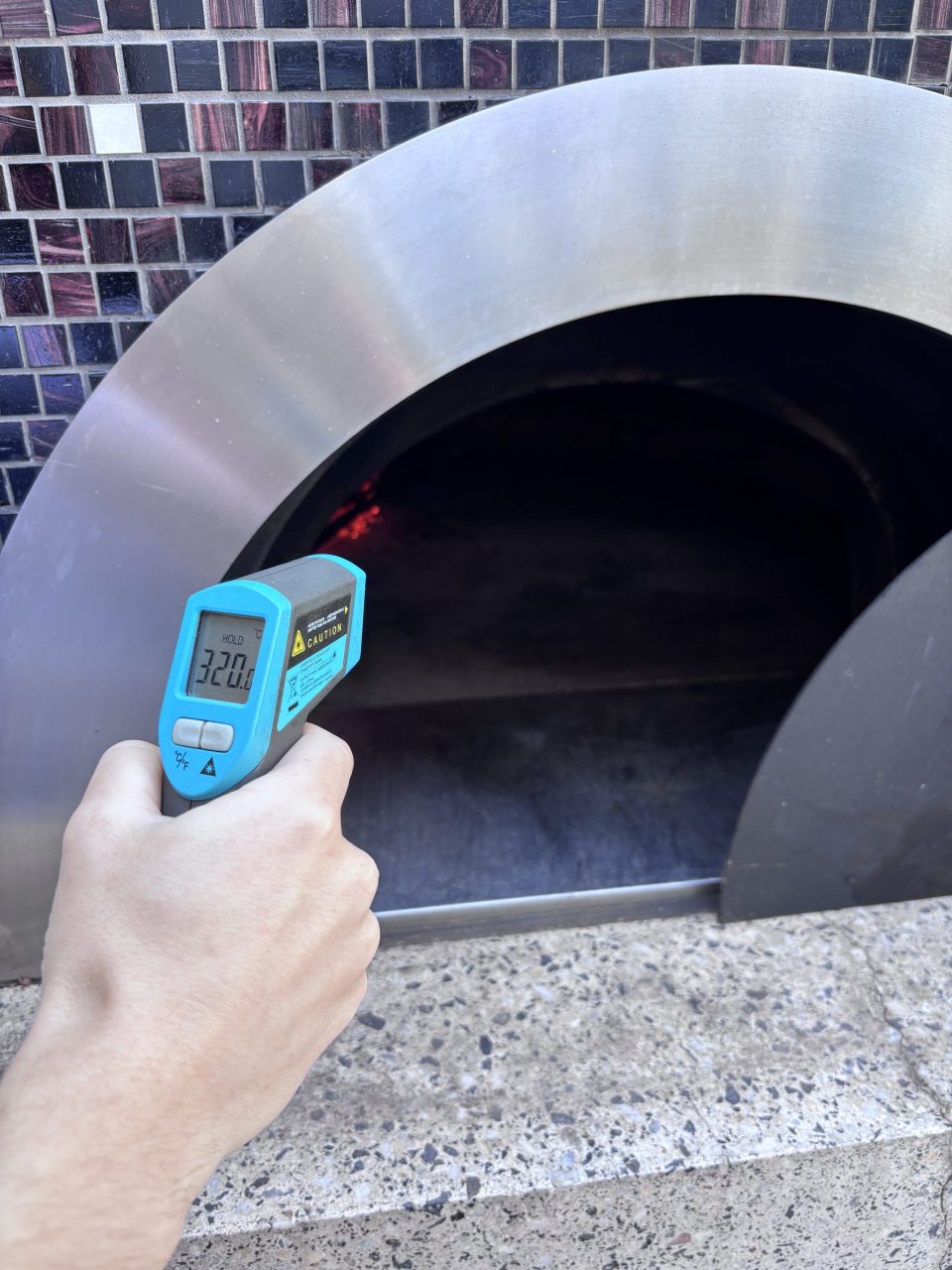
If your pizza oven smoked like a chimney, took forever to heat up, and the second round of bases came out pale and patchy, you don’t have an oven problem. You have a wood problem.
It’s one of the most common issues we hear about in our Preston showroom, and it catches people off guard because the oven performed brilliantly last weekend. Same oven, different bag of wood, completely different result. Temperature in a wood-fired oven doesn’t come from the oven itself. It comes from what you feed it.
Wood with a moisture content above 20 per cent burns through two stages: first it drives off the water trapped inside, and only then does it produce real heat. All that energy you want going into the dome and floor gets spent turning moisture into steam instead.
The signs are hard to miss:
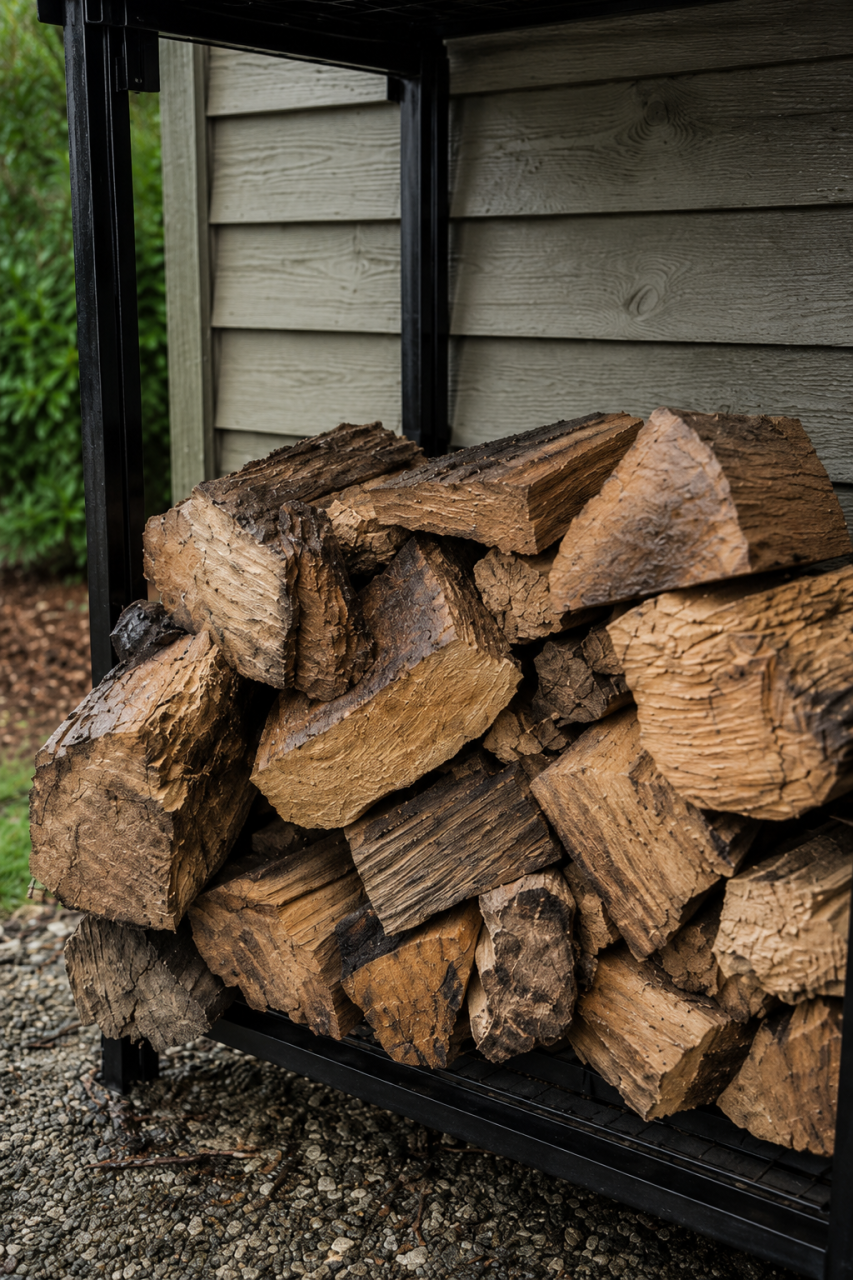
The fire catches faster, the oven reaches temperature sooner, and the heat holds steady with less tinkering. If you’re unsure about your wood supply, a moisture meter takes the guesswork out of it. They’re cheap, simple, and save a lot of wasted evenings.
One rule that never changes: only use clean, untreated wood. No paint, no glue, no chemicals, and never treated pine. This applies during curing and every cook after it.
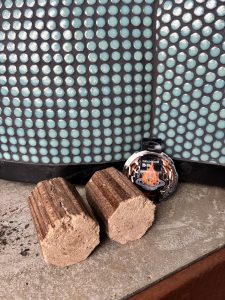 Some nights you just need the oven to behave. Your wood supply might be inconsistent, the weather might be damp, or you might not want to sort through a wood pile looking for the driest logs.
That’s where compressed hardwood briquettes come in. We stock Il Faggetto briquettes, made from 100 per cent Italian beechwood with no chemicals, binders, or bark. They burn hot, burn clean, and produce very little ash. Because every briquette is the same density and moisture content (under 8 per cent), you get predictable results every time.
Briquettes don’t replace wood altogether. They smooth out the variables on nights when you want to light the fire, reach temperature, and start cooking without fuss.
This is one of the simplest habits we share with customers. Once you’ve finished cooking for the night, add a few pieces of clean wood into the oven while it’s still warm. The residual heat dries the wood out, which means you’re starting your next session with fuel that’s already primed. Just ensure the fire is completely extinguished or keep the wood far enough from any live embers so it does not accidentally ignite overnight.
You’re already out there packing up plates. Pop in a few logs and walk away.
A wood-fired oven isn’t a set-and-forget appliance. The temperature moves through a curve, and the best cooks learn to work with it rather than fight it:
One fire can carry you through all three stages. Keep the fuel dry, keep it clean, and the oven will do the rest. Did you know that you could also cook bread in your pizza oven?
For more on fuel, visit our page on the best wood for pizza ovens.
For hotter and more efficient burning, use wood with a moisture content of less than 20%. If you are unsure, a moisture meter can help confirm your wood is dry enough before you light the fire.
For hotter and more efficient burning, use wood with a moisture content of less than 20%. If you are unsure, a moisture meter can help confirm your wood is dry enough before you light the fire.
Only use clean wood free from paint, glue, chemicals or treatments, and do not use treated pine.
When heating up and the wood is smoking, place the door slightly ajar to encourage smoke up the flue and reduce soot build-up on the front of the oven.