
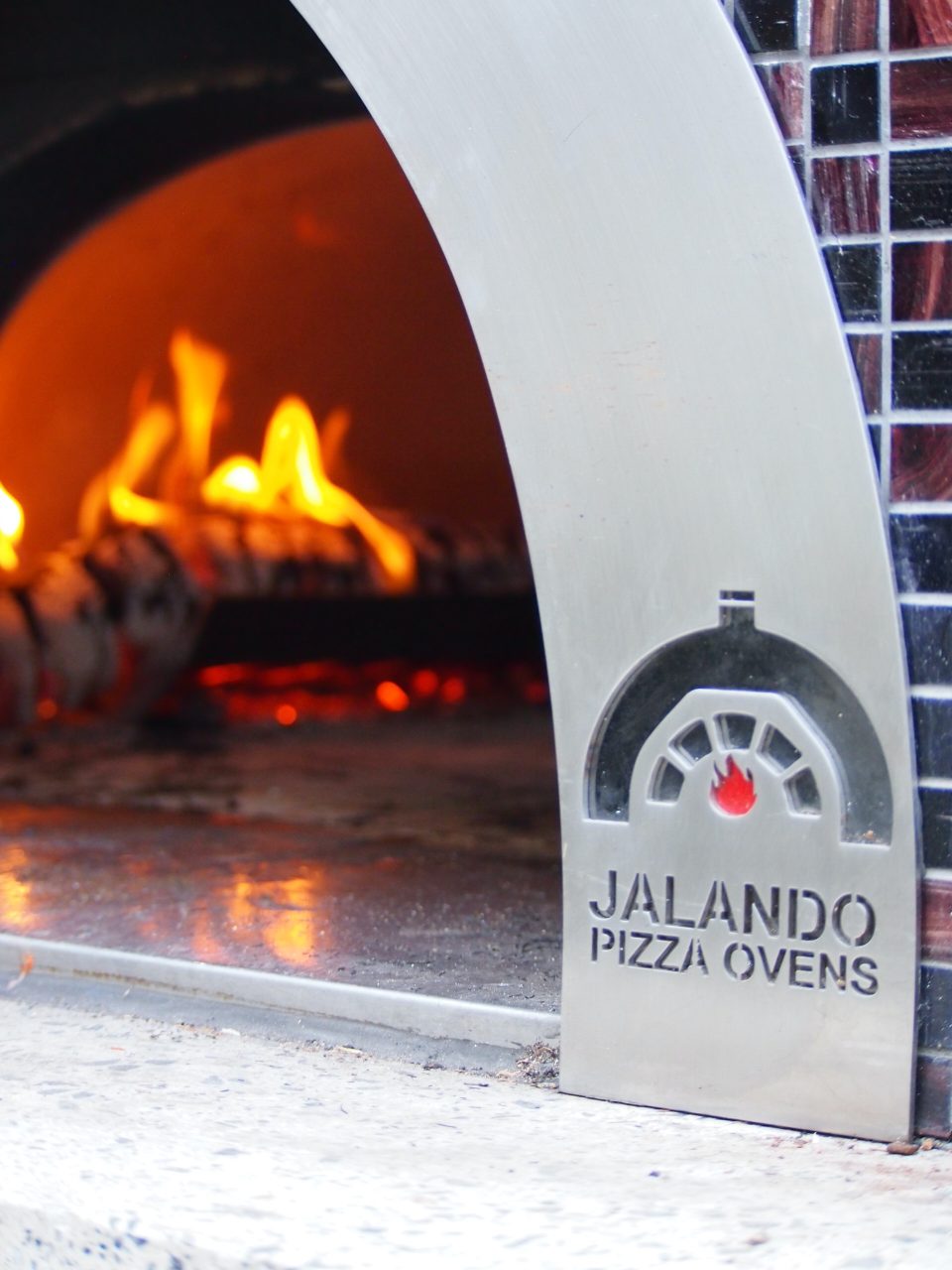

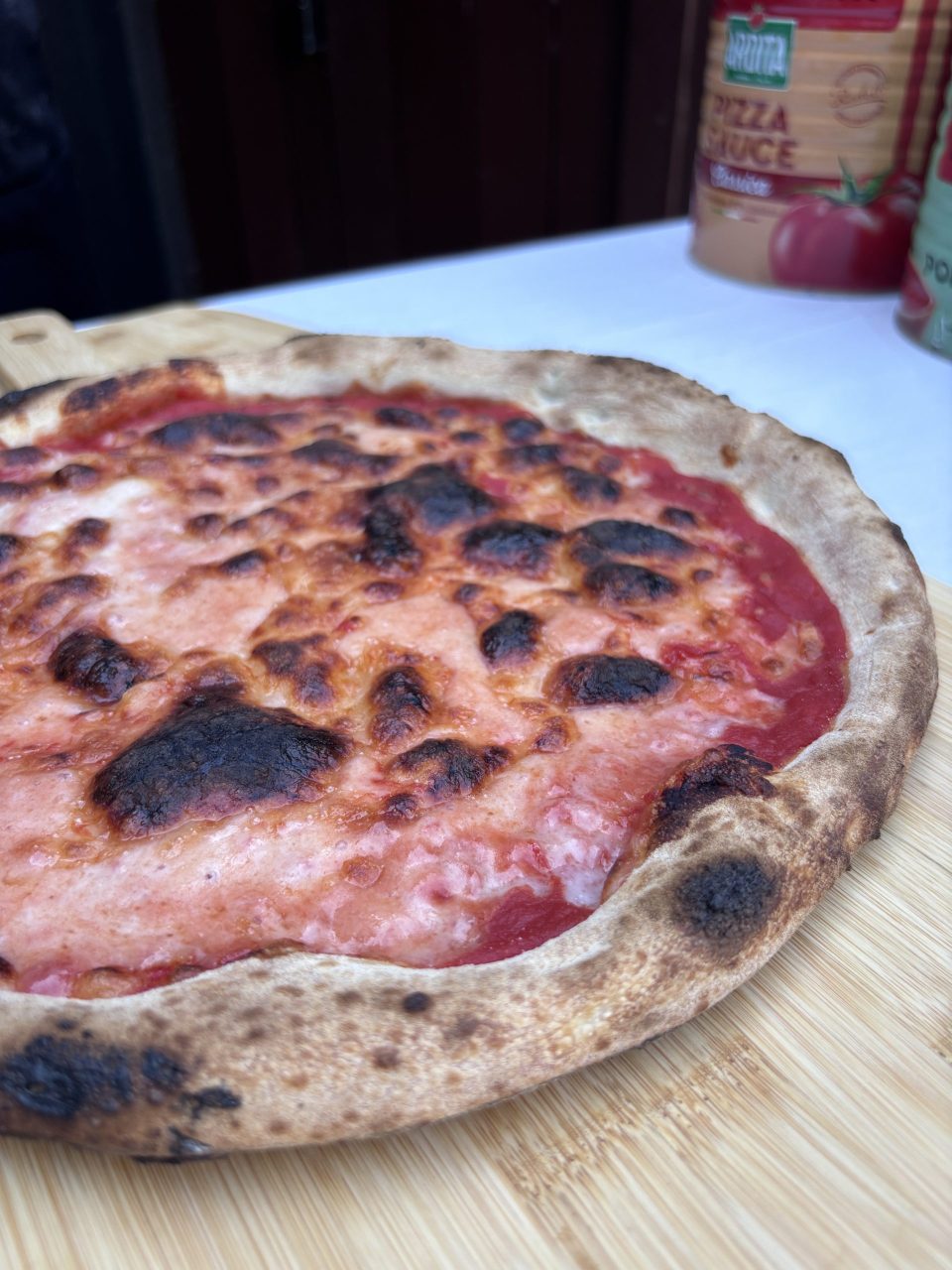
A lot of our customers walk into our showroom asking the same question: “I want a pizza oven but I don’t know where to start.” They’ve watched a few videos. They’ve looked at a couple of websites. They’ve stood in their backyard with a tape measure and tried to picture one in the corner. The decision still feels too big to make.
That’s a fair place to begin. A pizza oven is a sizeable investment, and the choices aren’t obvious until someone walks you through them.
The conversation that follows in our showroom is consistent not matter the buyer. There are three real questions. The rest of this article walks through them the way we’d talk you through them in person: 1) fuel, 2) size, 3) space and access.
Most people have a sense of the first answer before they arrive. Most people change their mind on the second after seeing the ovens up close. And most people don’t think about the third at all until they start talking with the Jalando team.
Before any specifics, we ask three things. They sound simple, and the answers shape every recommendation we make.
Most people walk into our Preston showroom already wanting a wood-fired oven. We don’t have to convince them. By the time they’re looking at ovens seriously, they’ve usually pictured the same thing: a flame in the back of the firebox, the smell of burning hardwood, a pizza coming out with a slightly blistered crust and a bit of smoke in the flavour. That’s what people are buying.
There’s a reason it consistently lands that way. A wood-fired oven gives you something a gas appliance can’t:
Our gas pizza ovens are a real option for a smaller group of buyers. They’re easier on a busy week. Heat-up is much faster than wood. Temperature is more consistent because there’s no fire to manage. If you’d cook midweek pizza but otherwise wouldn’t bother, gas removes the friction.
Hybrid ovens, where gas and wood live in the same firebox, are the best of both worlds on paper. The idea is gas heat-up speed with a wood finish for flavour.
For a deeper comparison between the three, we’ve written separate articles on each pairing. They go further into burn time, fuel cost, and cooking style than we can here and hybrid-pizza-ovens.
What we don’t do, in the showroom or in writing, is try to nudge anyone between the three. Most customers arrive with their answer. We just confirm it makes sense for what they want to cook.
This is the part of the conversation where minds change.
Customers arrive ready to buy the biggest oven they can stretch the budget for. The thinking is reasonable: more pizzas per session, more capacity for entertaining, a bigger statement piece in the backyard. Then they stand next to a JA80, see how big it really is, and walk out with a JA70. Sometimes a JA60.
Seeing photos of an oven on a website doesn’t always convey the scale. The size of the oven against a person or a benchtop is rarely clear. By the time someone has been weighing options across three or four sites, they’ve usually formed a mental image that’s smaller than the real oven by a noticeable margin.
Here’s how the Jalando range sizes up in practice:
Take Ben as an example. Ben walked into the showroom set on the JA80. He’d looked at it online, measured the corner of his deck, and convinced himself it was the right call. Then he stood next to one. The JA80 was bigger than he’d pictured. Not a little bigger, noticeably bigger. He left with a JA60 and rang a few weeks later to say he was glad he’d downsized. The JA60 cooked what his family needed and didn’t dominate the deck.
The honest version of the size question is this. A bigger oven isn’t automatically a better oven. A JA70 will cook more pizzas in a session than most home cooks ever need to serve at once. The JA80 is a great oven for the right setup, with a larger outdoor kitchen, regular larger gatherings, and a space that won’t feel crowded around it. For everyone else, the JA70 or the JA60 is usually the right call.
| Oven | Cook capacity | Best for |
|---|---|---|
| JA60 Dome | One pizza at a time. 90-second cook time per pizza. | Couples and small families. Compact footprint. Smallest in the range. |
| JA70 | Two pizzas at a time. | The most common purchase. Families who cook for a group and entertain regularly. |
| JA80 and larger | Larger surface, multiple pizzas at once. | Real outdoor kitchens, regular entertaining, and a statement piece. Bigger in person than online and suitable for residential and commercial settings. |
If you can, visit the Preston showroom or a retailer with the ovens on display before you commit. The size question only gets a proper answer when you’re standing next to them.
This is the question people don’t ask until it’s too late.
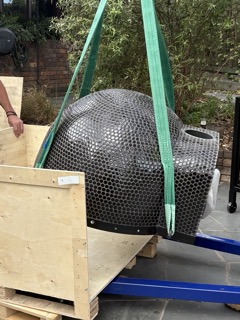
A prebuilt Jalando weighs in the hundreds of kilograms depending on the model. It arrives on a truck, gets lifted off, and then needs to be walked or wheeled to its final position. The path from the kerb to the cooking spot matters as much as the cooking spot itself.
The constraints we see most often:
A customer came in recently wanting a prebuilt oven. He’d measured the spot and worked out where the truck would park. What he hadn’t checked was his side gate. The prebuilt oven was wider than the gate by a margin no amount of angling was going to fix. He bought a DIY kit instead. In saying that, we have access to drivers, equipment and resolutions to deliver almost any oven in its intended space.
A DIY kit ships as components rather than a finished oven. The pieces fit through any standard doorway. The oven is built in place by a local installer or a competent DIYer. You end up with the same Jalando refractory construction, the same heat retention, and the same cooking experience. You just take a different path to get there.
Here’s how the two paths compare:
| Path | What it means | Best for |
|---|---|---|
| Prebuilt | Arrives complete. Lifted into position. Faster, less labour at your end. | Straightforward access. Driveway, wide side gate, or open garden path. |
| DIY kit | Arrives as components. Built on site. More finish options. | Tight access. Houses where the path is the constraint, not the spot. Those wanting to take on a rewarding project. |
A few practical things that help before you visit the Jalando showroom:
We can almost always get a customer into an oven of some kind. The question is which path. The earlier we know about the access constraints, the better the recommendation we can give.

Once fuel, size, and access are sorted, the question becomes the one we get asked last: why a Jalando specifically?
The biggest difference is how the oven holds heat. A stainless-steel oven is light. It heats up fast. It cools down just as fast. Once the burn dies down, the cooking is over until you light it again.
A Jalando pizza oven is made from refractory materials (denser, heavier ceramics designed to absorb heat slowly and release it slowly). The practical consequence:
If you cook once and you’re done, the difference matters less. If you entertain across a weekend, or cook two nights in a row, or like the idea of using the oven for more than just pizza, the heat retention changes the maths.
The other things worth knowing about a Jalando are practical rather than dramatic. The ovens are designed in Australia. The range goes from traditional brick finishes through to modern rendered surfaces. That matters more than people expect, because the oven becomes a permanent design feature in the backyard. A traditional brick oven sits beautifully in a country-style garden. A clean rendered oven looks right against a contemporary deck.
You’re not just buying a way to cook pizza. You’re buying a piece of the backyard that you’ll look at every day.
If you’ve read this far, the next step is concrete.
In Melbourne, visit the Preston showroom. The size conversation only really happens when you can stand next to the ovens, and the access conversation gets much more practical when you’ve seen the dimensions in person. Walk-ins are welcome, but if you can’t make it in the staff are always happy to have a phone discussion or even a facetime chat to step you through our range.
Outside Melbourne, our retailer network covers most of the country. The retailer locator on the site will point you to your nearest stockist.
Either way, three things worth bringing:
One last thing. A wood-fired pizza oven is a once-in-a-lifetime purchase for most households. There’s no harm in taking the time to walk through the three questions properly. The decision sits in your space for the next twenty years.
Come in for a showroom visit, or find your nearest Jalando retailer.