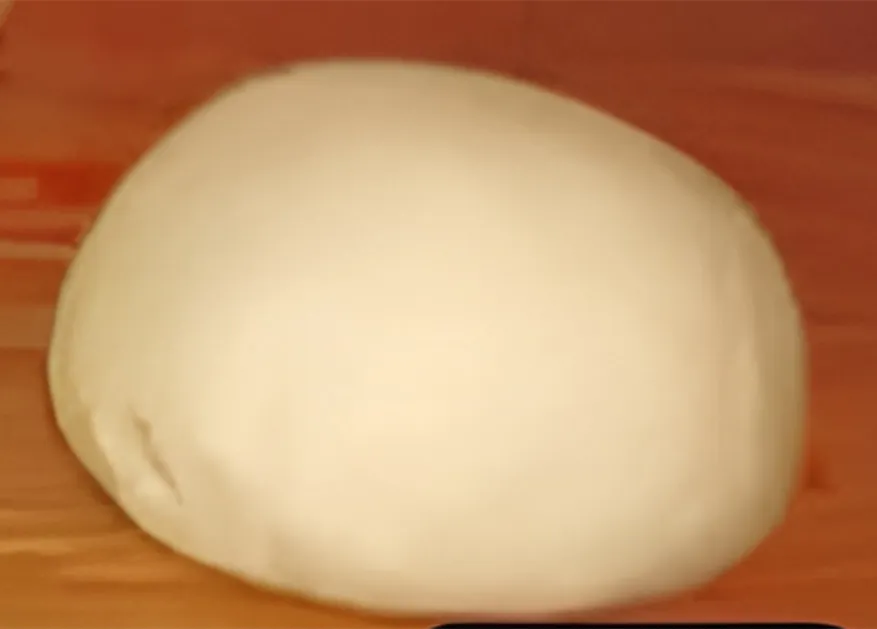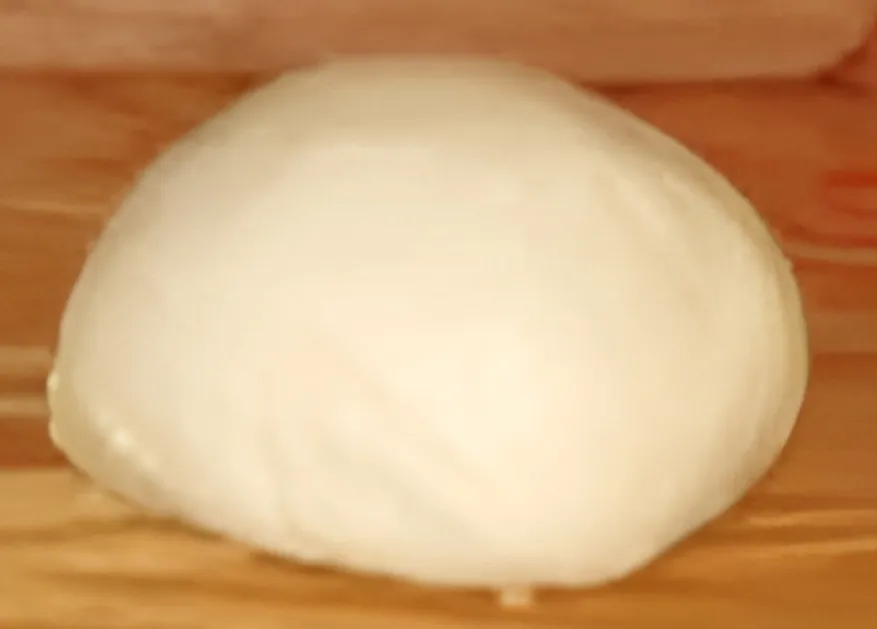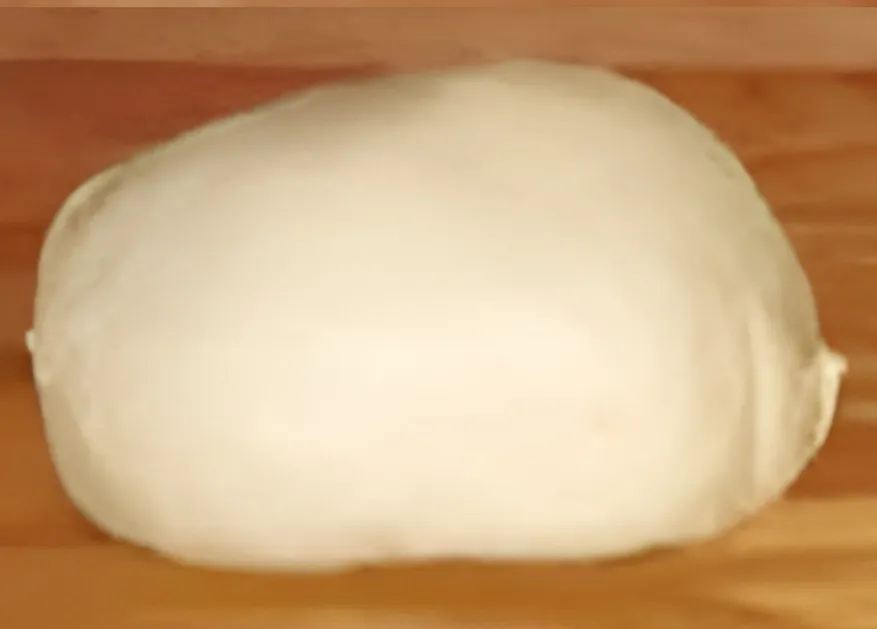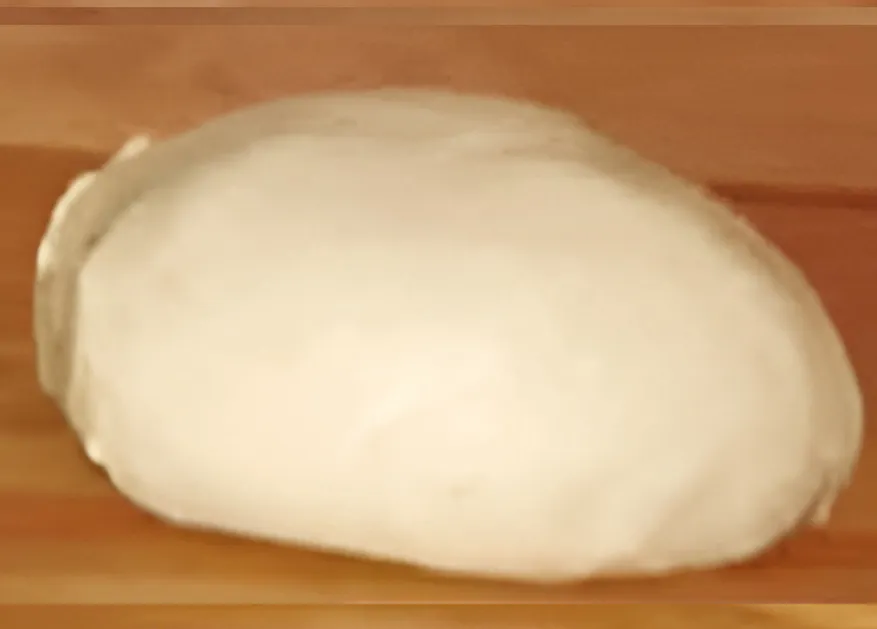
If your dough has ever stuck to your hands, collapsed as you stretched it, or baked into something tough instead of chewy, the problem might be hydration. That’s the ratio of water to flour in your dough. And if you’re baking in a wood-fired oven, getting it right makes all the difference.
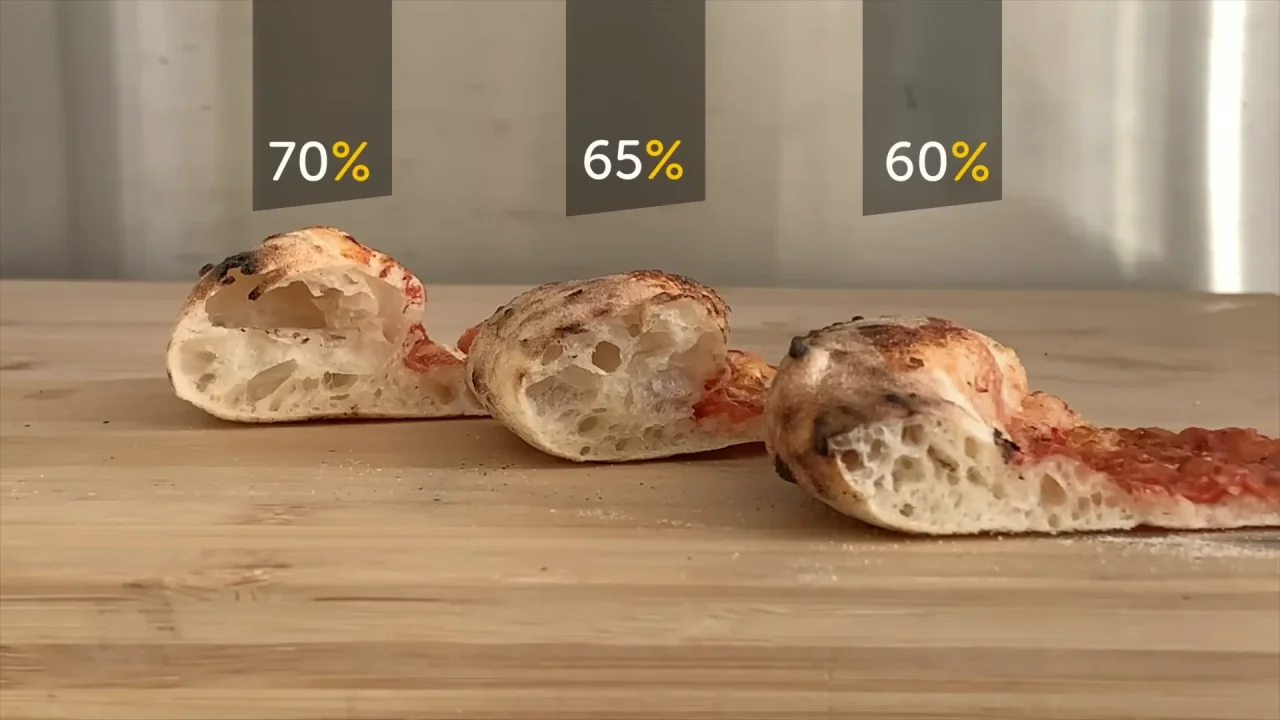
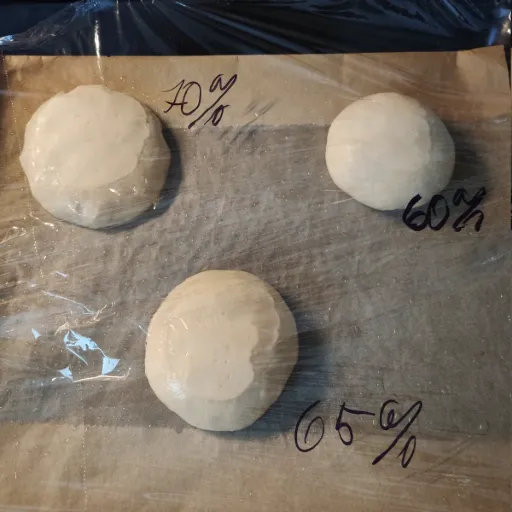
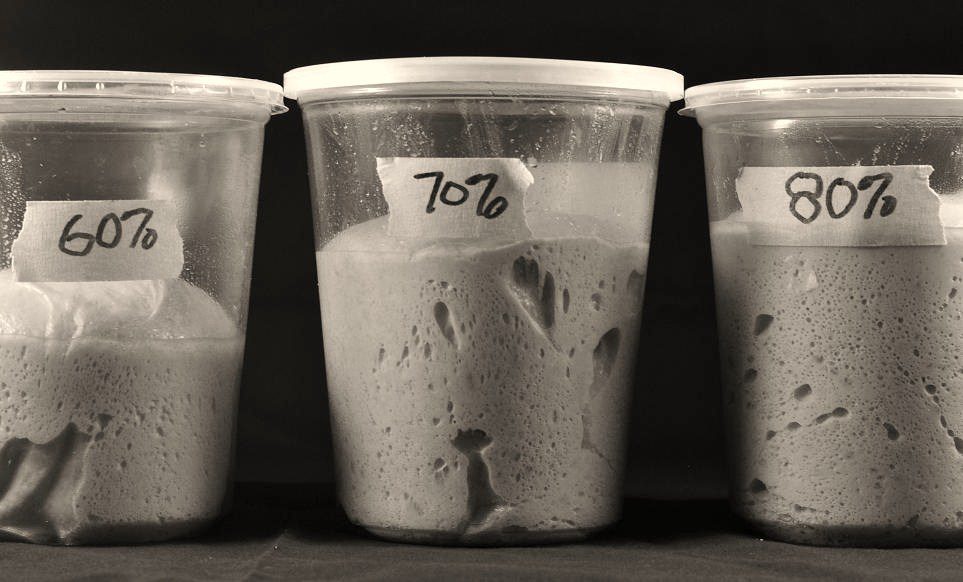
Most home pizza makers find that a hydration level of 60 to 65 percent gives the best result in a wood-fired oven. That’s enough water to make the dough stretch and bubble, but not so much that it turns sticky and hard to work with.
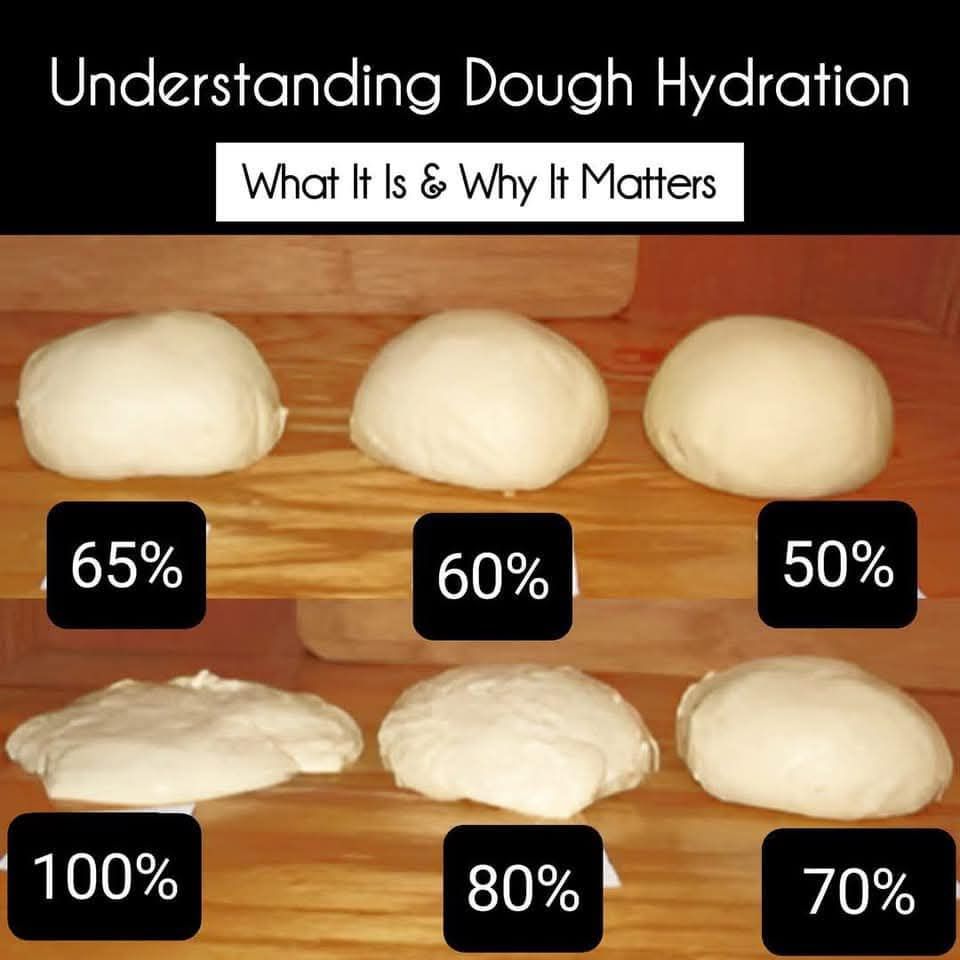
Hydration is just a baker’s way of saying how much water you add to the flour, measured as a percentage. If you use 1000 grams of flour and 600 grams of water, that’s 60% hydration. The flour is always set at 100%. Every other ingredient is compared to that.
In a wood-fired oven, heat is high and bake time is fast. That means your dough needs to cook through quickly, puff nicely, and hold its shape.
The amount of water in your dough controls:
| Hydration | What it feels like | Best for |
55%
| Firm and dry | Crisp bases |
60%
| Easy to shape, holds form well | Wood-fired pizza at home |
65%
| Light and airy, softer to handle | Puffed edges, faster bake |
70%+
| Very sticky and stretchy | Pros with lots of experience |
A hydration level between 60 and 65% gives most people the best mix of stretch, air bubbles, and crust.
We’ve heard from pizza oven owners around Australia. Here’s some tips to common problems that people encounter.
To start with, aim for a 62% hydration dough. You’ll find recipes on the Jalando website that pair perfectly with the Jalando Pizza Ovens, which is built for fast, even baking.
One last tip: every kitchen is different. Humidity, altitude and even flour brand can affect your dough. But once you know your hydration, you’ll be one step closer to dough that behaves how you want and tastes even better.