


Most people think pizza ovens are for pizza. They’re half right. The pizza is excellent – blistered crust, melted cheese, all that theatre of fire and flour. But the morning after is when you realise what you’ve actually got sitting in your backyard.
You open the oven door expecting it to be dead cold, and instead there’s this steady, enveloping warmth radiating out. Not the aggressive 400-degree heat from the night before, but something gentler. Something you can actually work with.
A well-insulated wood-fired oven doesn’t cool down quickly. It takes its time, dropping through temperatures over the course of a day or more. And each stage of that cooling process is perfect for something different.
By the time you’re thinking about lunch the next day, the oven’s usually sitting somewhere around 200 degrees. That’s too cool for pizza – you’d end up with pale, sad bases – but it’s ideal for roasting.
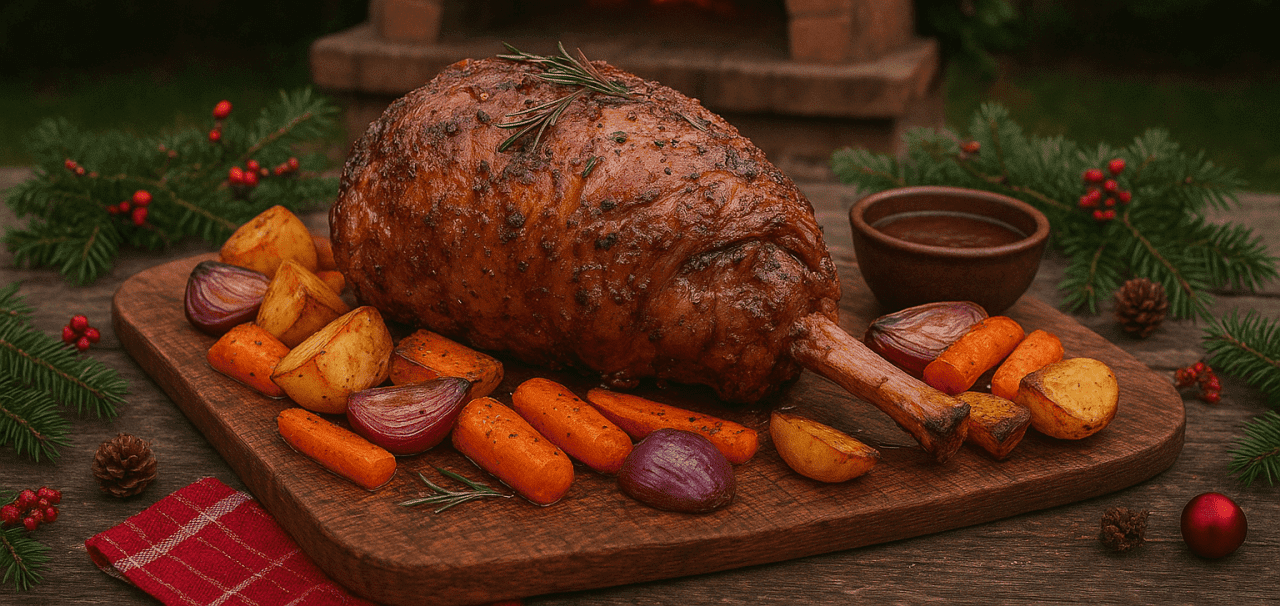
This is lamb and pork territory. The kind of slow, even heat that renders fat properly and gives you crackling that actually crackles. Unlike a conventional oven that hits you with heat from one direction, the retained warmth in a wood-fired oven comes at the meat from all sides. The dome radiates. The floor holds energy. Nothing burns, nothing dries out.
You can tell when it’s ready without a thermometer. Open the door and the heat pushes back at you, but it doesn’t make you flinch. There’s no flame, just stored warmth doing what it does.
A leg of lamb goes in with garlic, rosemary, and olive oil. Three hours later it comes out with a crust that’s dark and the meat that pulls apart when you look at it. This is Christmas Day cooking sorted without having to babysit.

With little fuel get your oven back to 200 to 230 degrees, and it hits another sweet spot. This is when bread happens.
The walls are still warm enough to give you proper oven spring – that satisfying rise as the dough hits the heat – but there’s no risk of scorching the bottom before the inside cooks through. The crust develops slowly. The crumb stays soft. Even a basic dough tastes better than it has any right to.
You know it’s ready when you can hold your hand near the opening for a few seconds without needing to pull away. The heat’s consistent, not aggressive. If you’ve got leftover pizza dough from the night before, you can use this to make bread.
Shape it into a rough loaf, slash the top, slide it onto the stone. Forty minutes later you’ve got bread that makes your kitchen sourdough look pedestrian. It’s not technique – it’s just the oven doing what ovens like this have been doing for a few thousand years.
By the time the sun’s starting to drop, it’s nice to have a lite dinner like some garlic prawns.
At around 200 degrees , the prawnsy cook through without protest. Throw them in a pan with butter, garlic, white wine, and a bit of parsley. The oven’s warm enough to keep things moving, but it’s not attacking the food anymore.
At this point you can work comfortably in front of the oven. No sweating, no singeing your arm hairs, no awkward dance with the peel. The heat’s doing its job without demanding constant attention.
Fish works too. Whole snapper with lemon and herbs. Octopus if you’ve got the patience for it. Anything that benefits from slow, steady cooking rather than fierce heat.
By the time dinner’s finished and people are thinking about something sweet, it’s time for dessert.
Fruit crumbles are perfect here. Stone fruit that’s been sitting in the fruit bowl for too long. Apples that need using up. The sugars caramelise slowly, the fruit softens without collapsing into mush, and the topping goes golden without burning.
The heat feels gentle at this stage. Steady, forgiving. You can slide a dish in, close the door, and forget about it for half an hour. No checking, no turning, no stress.
Roasted peaches with honey and cinnamon. Pears with brown sugar and star anise. Even a proper baked custard works if you’ve got the patience. The oven’s not hot enough to ruin things, which is exactly what you want at this stage of the day.
The beauty of this progression is it aligns well with how holidays actually unfold. Pizza on Christmas Eve when people are still arriving and nobody wants to commit to a formal meal. Lamb for Christmas lunch when the oven’s in roasting mode. Bread in the afternoon because someone always wants a sandwich. Prawns for dinner because nobody can face another heavy meal. Dessert as the evening winds down.
It’s not about efficiency or productivity. It’s about using what you’ve already created – all that stored heat from the night before – rather than letting it dissipate into nothing.
The temperatures matter, but only as rough guides. Every oven’s different. Insulation varies, weather affects how quickly things cool, wind can steal heat faster than you’d expect.
What you’re actually learning is how your specific oven behaves. How it feels at different stages. How the smell changes as the wood smoke fades and you’re left with just warmth. How long it takes to drop from pizza heat to bread heat to dessert heat.
After a few cycles, you stop checking the thermometer and start trusting your instincts. You open the door, feel the heat, and know whether it’s right for what you’re planning.
That’s when the oven stops being a piece of equipment and becomes something you understand. Not because you’ve read the manual, but because you’ve spent time with it and paid attention.
There’s something deeply satisfying about cooking this way. Not rushing, not fighting the equipment, just moving with what the oven’s giving you at any given moment.
It’s the opposite of how most cooking works – precise temperatures, timers, control. Here you’re adapting to conditions rather than imposing your will on them. Medieval, really, but in a good way.
The day after pizza night is when a wood-fired oven earns its place in your yard. Not at its flashiest, not when it’s roaring and dramatic, but when it’s quietly doing the work it was built for.